The Versatility of Aluminum: From Construction to Manufacturing

Aluminum is one of the most widely used metals across multiple industries, from construction and automotive to aerospace and consumer goods. But what makes aluminum so special? 🤔
Its lightweight nature, corrosion resistance, and high strength-to-weight ratio make it an essential material for modern infrastructure and innovation.
In this article, we’ll explore why aluminum is such a versatile metal and how it’s used across different industries.
✅ 1. Why Aluminum? Key Properties That Make It Unique
Unlike steel or copper, aluminum has a unique combination of properties that make it ideal for various applications:
🔹 Lightweight – Aluminum is one-third the weight of steel, reducing structural loads.
🔹 Corrosion Resistant – Forms a natural oxide layer that protects against rust.
🔹 High Strength-to-Weight Ratio – Strong enough for heavy-duty applications while remaining lightweight.
🔹 Malleable & Ductile – Can be easily shaped, bent, or extruded into complex forms.
🔹 100% Recyclable – Eco-friendly with no loss of quality after recycling.
🔹 Good Electrical & Thermal Conductivity – Ideal for electrical components and heat exchangers.
💡 Example: A bridge made with aluminum alloys is lighter, more resistant to corrosion, and requires less maintenance than a traditional steel bridge.
🏗️ 2. Aluminum in Construction: Lightweight & Durable
Aluminum is increasingly being used in modern construction because of its durability and sustainability.
🏠 Where Is Aluminum Used in Construction?
✔ Structural Components – High-strength aluminum alloys are used in load-bearing structures.
✔ Window Frames & Curtain Walls – Corrosion-resistant and thermally efficient.
✔ Roofing & Cladding – Reduces building weight and enhances durability.
✔ Bridges & Infrastructure – Lightweight for easier installation and lower maintenance.
💡 Example: The Empire State Building was one of the first skyscrapers to use aluminum in its interior structure, setting a trend for modern construction.
🚗 3. Aluminum in Automotive & Aerospace: Strength Meets Efficiency
Aluminum is a game-changer in transportation, where weight reduction is crucial for fuel efficiency and performance.
🚙 How Aluminum Is Used in Vehicles & Planes:
✔ Car Frames & Body Panels – Reduces weight and improves fuel efficiency.
✔ Aircraft Structures – Used in fuselage, wings, and landing gear for its high strength-to-weight ratio.
✔ Railway & Shipping – Corrosion resistance makes it ideal for marine and train applications.
💡 Example: Tesla uses high-strength aluminum alloys in its Model S to enhance performance and energy efficiency, making it 30% lighter than traditional steel cars.
⚙️ 4. Aluminum in Manufacturing & Industrial Applications
In industrial applications, aluminum is used for machinery, tools, and advanced manufacturing due to its versatility and ease of fabrication.
🏭 Where Aluminum Shines in Manufacturing:
✔ Heat Exchangers & Radiators – Excellent thermal conductivity for cooling systems.
✔ Pipes & Tubing – Corrosion-resistant for industrial fluid transport.
✔ Machined Parts & Tools – Used in CNC machining and high-precision components.
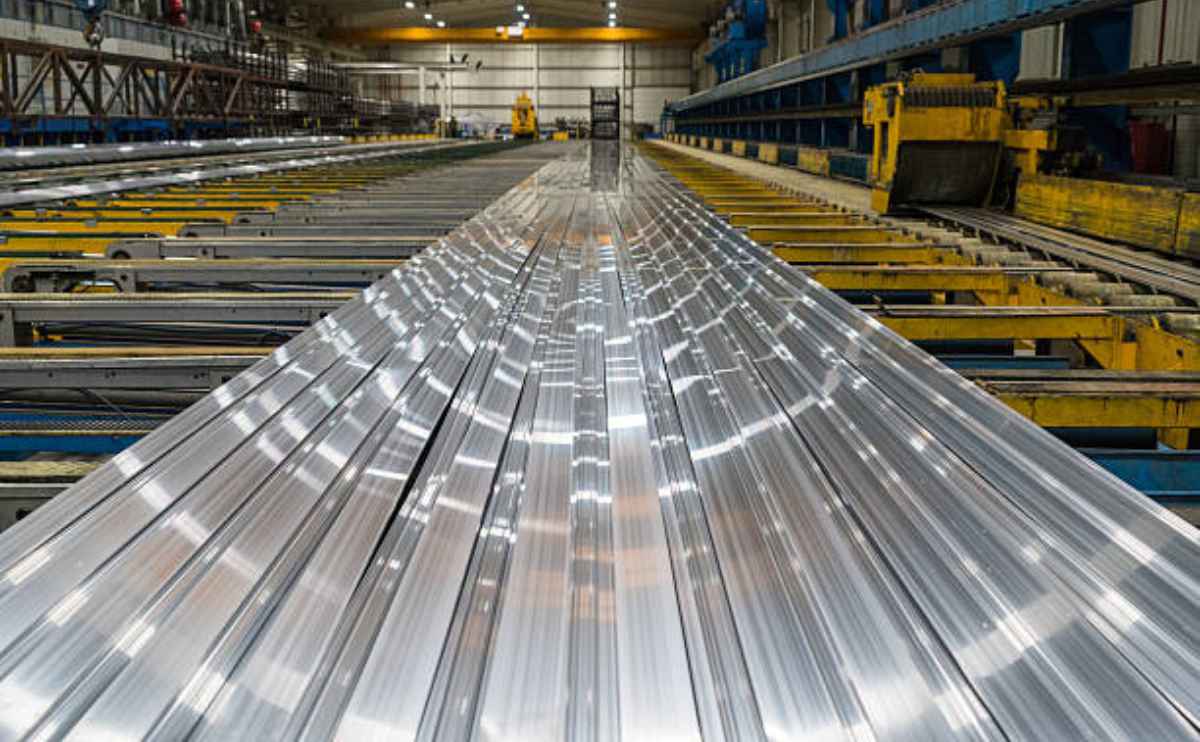
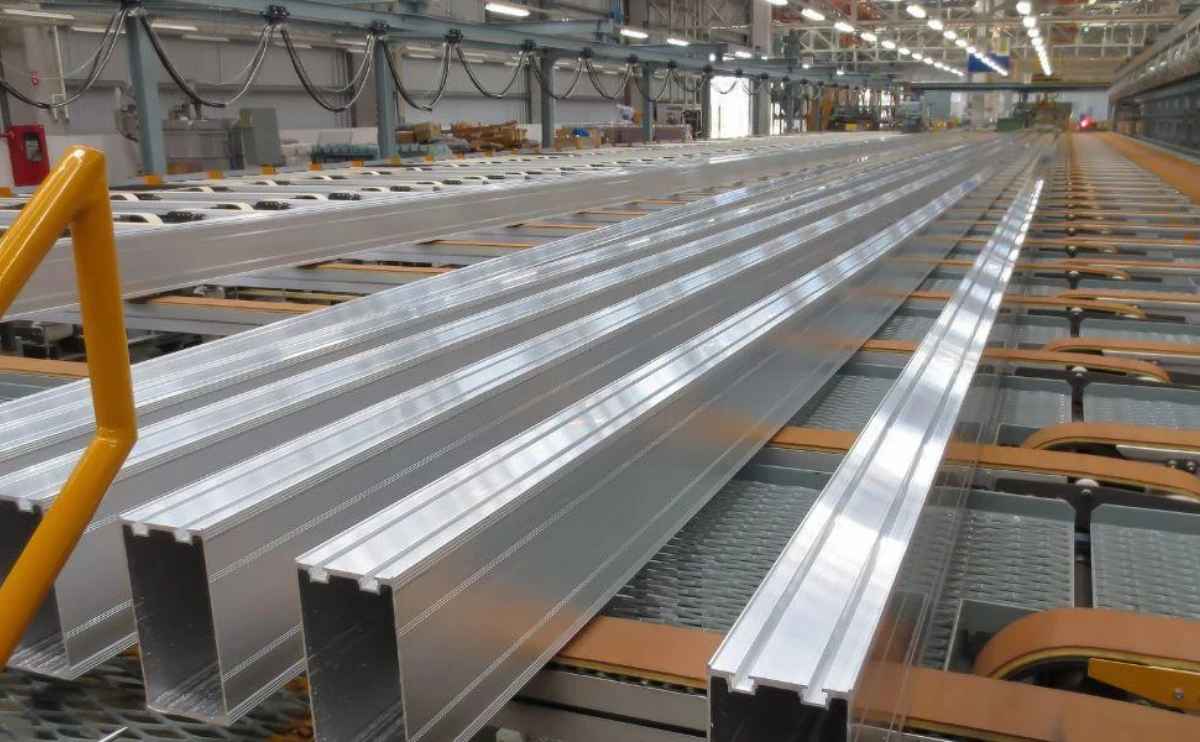
💡 Example: Aluminum extrusion allows manufacturers to create complex shapes with minimal waste, reducing production costs.
💡 5. Aluminum in Everyday Products: From Electronics to Packaging
Aluminum isn’t just for industrial use—it’s also a staple in everyday life!
📦 Common Uses of Aluminum in Daily Products:
✔ Consumer Electronics – Used in smartphones, laptops, and TV casings for durability.
✔ Food & Beverage Packaging – Aluminum cans are lightweight, recyclable, and preserve freshness.
✔ Household Appliances – Found in refrigerators, microwaves, and kitchenware.
💡 Example: An aluminum soda can is 100% recyclable and can be back on shelves in as little as 60 days after recycling. ♻️
🌍 6. The Future of Aluminum: Innovation & Sustainability
With an increasing focus on eco-friendly materials, aluminum is becoming even more important for sustainable development.
♻️ How Aluminum Is Driving Green Innovation:
🌱 100% Recyclable – 75% of all aluminum ever produced is still in use today.
🚗 Lightweight for Energy Efficiency – Reducing emissions in vehicles and buildings.
🏗️ Advanced Aluminum Alloys – Stronger and more heat-resistant for next-gen applications.
💡 Example: The aerospace industry is developing new aluminum-lithium alloys that are stronger and lighter, improving fuel efficiency in aircraft.
📌 Conclusion: Why Aluminum Is the Metal of the Future
From construction and automotive to electronics and aerospace, aluminum is an essential material that continues to shape modern industries.
📌 Key Takeaways:
✅ Lightweight yet strong, making it perfect for structural and industrial use.
✅ Corrosion-resistant, reducing maintenance costs.
✅ Highly recyclable, making it an eco-friendly choice.
✅ Used in everything from skyscrapers to smartphones.
🌟 Looking for high-quality aluminum for your next project? At ABSDEPOT, we provide top-tier aluminum materials for construction, manufacturing, and industrial applications. Contact us today! 🚀⚙️