The Impact of Supply Chain Disruptions on the Metal Industry & How to Prepare

The metal industry depends on a complex global supply chain, with materials sourced, processed, and transported across multiple regions. But what happens when that supply chain is disrupted?
From raw material shortages to shipping delays and geopolitical tensions, disruptions in the metal industry can lead to higher costs, extended lead times, and stalled projects.
In this article, we’ll explore the biggest supply chain challenges in the metal industry and how businesses can prepare for future disruptions.
✅ 1. Understanding Supply Chain Disruptions in the Metal Industry 🔍
Supply chain disruptions occur when unexpected events impact the flow of materials, leading to:
🔴 Raw Material Shortages – Delays in sourcing essential metals like steel, aluminum, and copper.
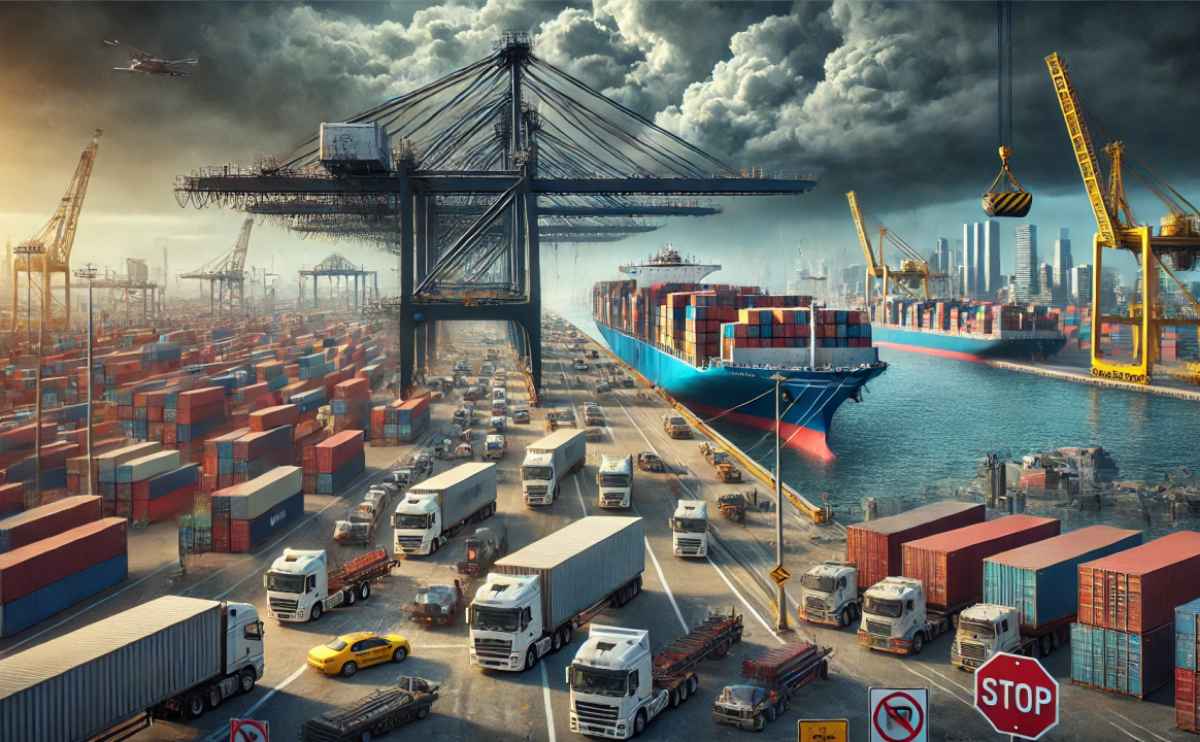
🔴 Transportation & Logistics Issues – Shipping delays, port congestion, and rising freight costs.
🔴 Geopolitical & Economic Factors – Trade restrictions, tariffs, and currency fluctuations.
🔴 Workforce & Production Constraints – Labor shortages and factory shutdowns.
💡 Example: The COVID-19 pandemic led to factory closures and transportation slowdowns, causing a 25% spike in steel prices due to supply shortages.
🚛 2. The Biggest Supply Chain Risks Affecting the Metal Industry
🌍 1. Global Raw Material Shortages
Metals like steel, aluminum, and copper are extracted from limited sources worldwide. Supply chain bottlenecks in mining, processing, or refining can drastically impact availability.
✅ Key Risk: Dependence on a few suppliers makes businesses vulnerable to disruptions.
💡 Solution: Diversify suppliers and explore alternative materials.
🚢 2. Transportation & Shipping Delays
Long-distance shipping, reliance on ocean freight, and congested ports lead to delays and rising costs.
✅ Key Risk: A single shipping delay can cause a domino effect, slowing down entire production lines.
💡 Solution: Partner with regional warehouses for faster local distribution.
📈 3. Price Volatility & Inflation
Fluctuations in metal prices due to market demand, supply chain shocks, or inflation make cost planning difficult.
✅ Key Risk: Businesses relying on just-in-time inventory may struggle with sudden price hikes.
💡 Solution: Implement strategic inventory planning to stockpile critical materials when prices are low.
⚖️ 4. Trade Policies & Geopolitical Uncertainty
Tariffs, import/export restrictions, and trade disputes increase costs and limit access to key materials.
✅ Key Risk: Changing regulations make long-term supply contracts difficult to maintain.
💡 Solution: Work with suppliers in multiple trade-friendly regions to reduce risks.
🛠️ 5. Labor & Workforce Challenges
The metal industry requires skilled labor for manufacturing, processing, and transportation. Worker shortages can delay production.
✅ Key Risk: Workforce disruptions can slow down entire metal fabrication processes.
💡 Solution: Invest in automation and AI-driven manufacturing to reduce labor dependency.
🔄 3. How to Prepare for Future Supply Chain Disruptions
To mitigate risks and stay ahead, businesses must adopt proactive strategies to maintain a resilient supply chain.
🗂 1. Diversify Your Supplier Network
Relying on a single supplier or region makes businesses vulnerable to disruptions.
✅ Work with multiple suppliers across different regions.
✅ Establish local partnerships to reduce long shipping times.
💡 Example: Companies using multiple steel suppliers in Asia, Europe, and North America experience fewer shortages than those relying on a single source.
📦 2. Build Safety Stock & Buffer Inventory
Keeping extra inventory of critical metals can help absorb short-term disruptions.
✅ Identify high-risk materials and stockpile essential items.
✅ Use predictive analytics to optimize inventory levels.
💡 Example: A construction firm stocks up on high-strength steel ahead of predicted supply chain disruptions, avoiding costly project delays.
🚛 3. Strengthen Logistics & Transportation Planning
Supply chain resilience includes efficient logistics and transportation to minimize delays.
✅ Partner with multiple freight carriers for flexibility.
✅ Use real-time tracking to monitor shipments and adjust as needed.
💡 Example: A metal supplier uses AI-driven route optimization to reduce delivery times by 20%, ensuring materials arrive on schedule.
📊 4. Monitor Market Trends & Price Fluctuations
Staying informed about global metal markets helps businesses anticipate price hikes and shortages.
✅ Subscribe to industry reports and market analytics.
✅ Lock in long-term pricing contracts with suppliers when prices are low.
💡 Example: A manufacturer buys aluminum in bulk during a market dip, securing lower costs for the next year.
🤖 5. Invest in Digital Supply Chain Solutions
Technology can enhance visibility, automation, and risk mitigation in supply chain operations.
✅ Use AI-powered demand forecasting to predict supply needs.
✅ Implement blockchain tracking for real-time transparency.
💡 Example: A global steel distributor uses blockchain to track shipments, preventing fraud and ensuring faster customs clearance.
📌 Conclusion: Building a Resilient Metal Supply Chain
Supply chain disruptions aren’t going away—but businesses that plan ahead and embrace smart strategies can reduce risks and maintain a steady flow of materials.
📌 Key Takeaways:
✅ Diversify suppliers to avoid single-source dependence.
✅ Stockpile critical metals to mitigate shortages.
✅ Improve logistics & transportation planning to minimize delays.
✅ Use AI and market insights to anticipate price changes.
✅ Leverage technology for supply chain transparency and automation.
🌟 Looking for a reliable metal supplier with a strong supply chain? At ABSDEPOT, we prioritize on-time delivery, supplier diversification, and smart logistics solutions to keep your projects moving. Contact us today! 🚛🔩