
What Sets High-Quality Steel Apart? A Guide to Strength and Durability

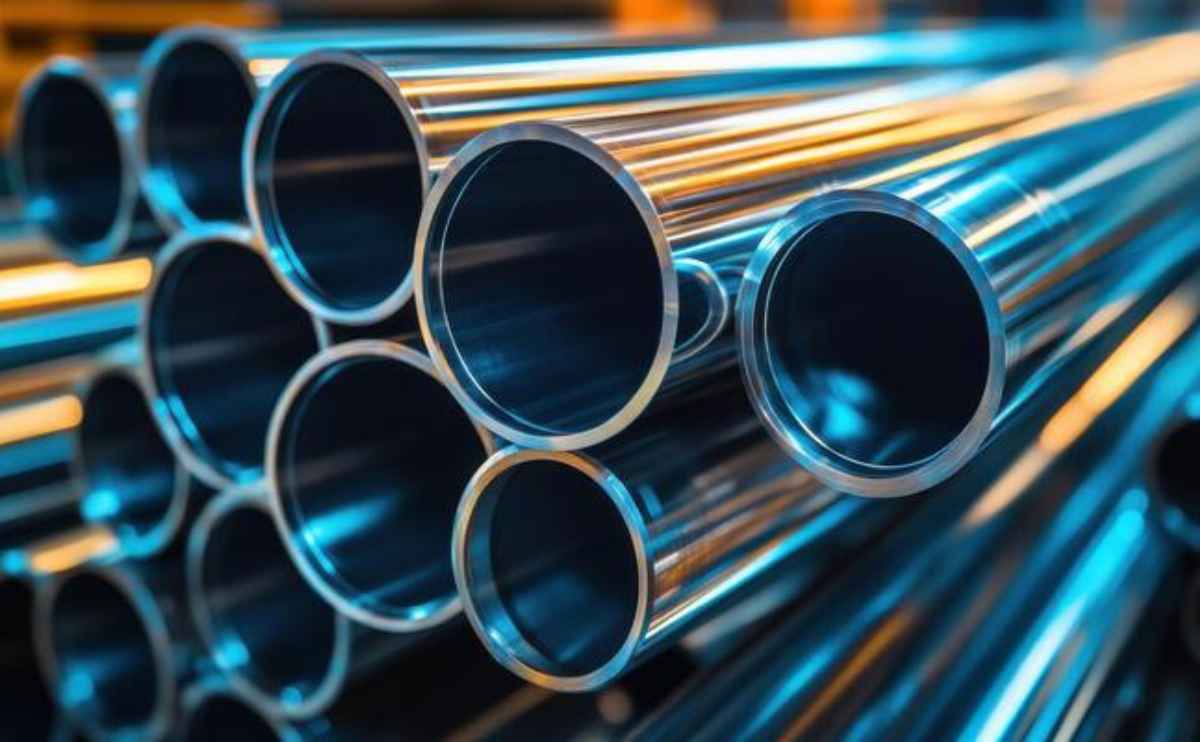
Steel is one of the most essential materials in construction, manufacturing, and industrial applications. But not all steel is created equal. Choosing high-quality steel ensures strength, durability, and safety for any project.
So, what makes some steel superior to others? 🤔 In this guide, we’ll break down the key characteristics that define high-quality steel and why they matter.
✅ 1. Strength: The Backbone of Any Project 💪
The primary reason steel is so widely used is its exceptional strength. But strength isn’t just one factor—it comes in different forms:
📏 Yield Strength (YS) – The amount of stress a material can handle before permanently deforming.
🔗 Tensile Strength (TS) – The maximum force steel can withstand before breaking.
🔄 Impact Resistance – The ability to absorb energy without fracturing, crucial for earthquake or high-impact applications.
💡 Example:
- ASTM A36 Steel – A common structural steel with a yield strength of 250 MPa (36,000 psi).
- ASTM A992 Steel – Used in buildings and bridges, with a higher yield strength of 345 MPa (50,000 psi) for better performance under stress.
🚧 Pro Tip: If your project involves heavy loads or high-impact forces, opt for steel with higher tensile and yield strength to avoid structural failures.
🔥 2. Durability: Ensuring Longevity and Performance ⏳
Durability refers to how well steel withstands environmental and mechanical stress over time. Key factors include:
🌡 Corrosion Resistance – Prevents rust and degradation, especially in humid or marine environments.
🌎 Fatigue Resistance – Determines how well steel holds up under repeated stress cycles.
🔥 Heat Resistance – Ensures steel doesn’t weaken under high temperatures.
🔍 Types of Steel for Maximum Durability:
✔ Galvanized Steel – Coated with zinc for superior rust protection.
✔ Stainless Steel – Contains chromium, making it highly resistant to corrosion.
✔ High-Strength Low-Alloy (HSLA) Steel – Offers excellent durability with lower weight.
💡 Example: In coastal construction, stainless steel or galvanized steel prevents rusting and structural weakness caused by salt exposure.
🏗 3. Composition: The Science Behind High-Quality Steel ⚙️
The quality of steel depends on its chemical composition. The right mix of elements can enhance strength, flexibility, and corrosion resistance.
🔬 Key Alloying Elements in High-Quality Steel:
✅ Carbon (C): Increases strength but reduces ductility if too high.
✅ Chromium (Cr): Improves corrosion resistance (used in stainless steel).
✅ Nickel (Ni): Enhances toughness and prevents brittleness.
✅ Molybdenum (Mo): Increases strength and heat resistance.
✅ Manganese (Mn): Improves hardness and workability.
🔍 Example:
- Mild Steel (Low Carbon) – Easier to weld but lower strength.
- High-Carbon Steel – More durable but harder to shape.
⚠️ Warning: Cheap steel often lacks the proper alloying elements, leading to weaker performance and lower durability. Always check the steel’s composition before purchasing.
🔩 4. Manufacturing & Processing: The Difference Maker 🔥
The way steel is produced and processed significantly impacts its quality. High-quality steel undergoes:
🏭 Precise Melting & Refining – Removes impurities for consistent quality.
🔄 Heat Treatment (Annealing, Quenching, Tempering) – Enhances strength and flexibility.
📏 Cold vs. Hot Rolling – Determines the steel’s surface finish and mechanical properties.
📌 Comparison:
- Hot-Rolled Steel – Cheaper, ideal for general construction but less precise in shape.
- Cold-Finished Steel – Smoother, stronger, and better for precision applications.
💡 Example: Automotive and aerospace industries prefer cold-finished steel for its higher strength and precise tolerances.
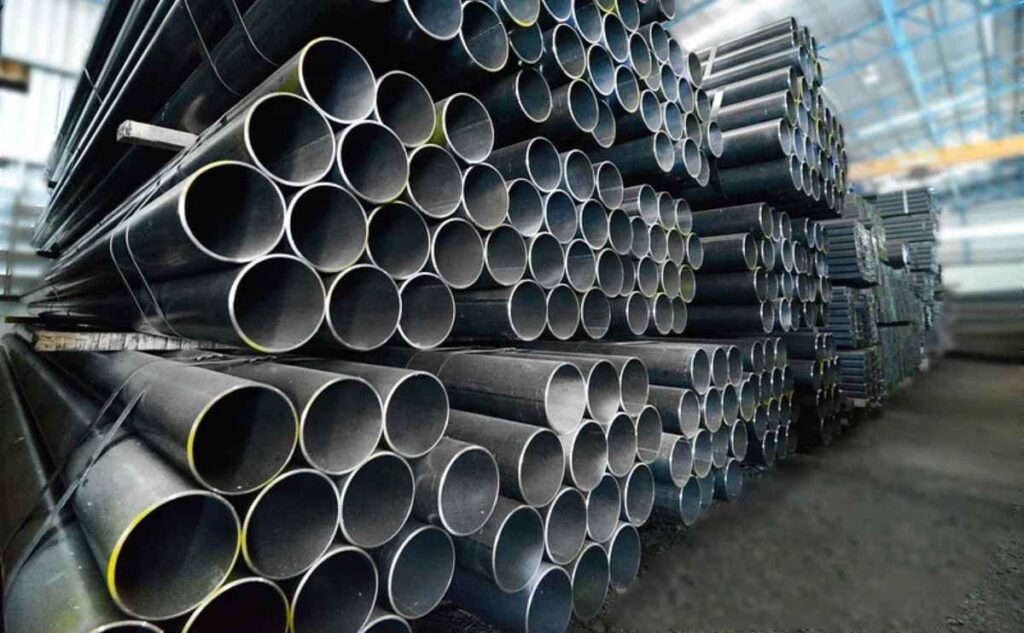
🌍 5. Certification & Quality Standards: Ensuring Reliability 📜
Reliable steel suppliers certify their materials according to global safety and quality standards. Look for:
🏅 ASTM Standards (USA) – Regulates mechanical properties and composition.
🏗 AISC Certification – Ensures structural steel meets engineering specifications.
🔬 ISO 9001 Certification – Verifies quality control in manufacturing.
⚖ EN 10025 (European Standard) – Defines grades and mechanical properties for structural steel.
💡 Pro Tip: Always request mill test reports (MTRs) to confirm steel quality before purchasing.
📌 6. Choosing the Right Steel for Your Project 🔎
Now that you know what sets high-quality steel apart, how do you choose the right one? 🤔 Consider:
🏗 Application: Will it be used for structural support, high-temperature environments, or corrosion-prone areas?
📏 Strength Requirements: Does the project need high tensile strength or flexibility?
🌡 Environmental Conditions: Will the steel be exposed to moisture, chemicals, or extreme temperatures?
🔥 Quick Selection Guide:
- For Structural Projects → ASTM A992, A36
- For Corrosion Resistance → Stainless Steel, Galvanized Steel
- For High Temperatures → Chromium-Molybdenum Alloy Steel
- For Precision Engineering → Cold-Finished Steel
💡 Example: Bridges and high-rise buildings require A992 steel, while food processing plants need stainless steel for hygiene and corrosion resistance.
🔍 Conclusion: Investing in High-Quality Steel Pays Off 💰
Using high-quality steel means:
✅ Stronger, longer-lasting structures 🏗
✅ Reduced maintenance and repair costs 💰
✅ Better safety and reliability 🔩
📌 Key Takeaways:
✔ High-quality steel has higher strength, durability, and resistance to wear.
✔ Proper chemical composition and manufacturing ensure superior performance.
✔ Certifications like ASTM, AISC, and ISO confirm reliability.
✔ Choosing the right steel for your project prevents failures, delays, and costly repairs.
🌟 Looking for top-quality steel? At ABSDEPOT, we provide certified, high-performance steel for all industries. Contact us today and build with confidence! 💪🔩