
The Future of Metal Supply: How Advanced Logistics Are Reducing Delays

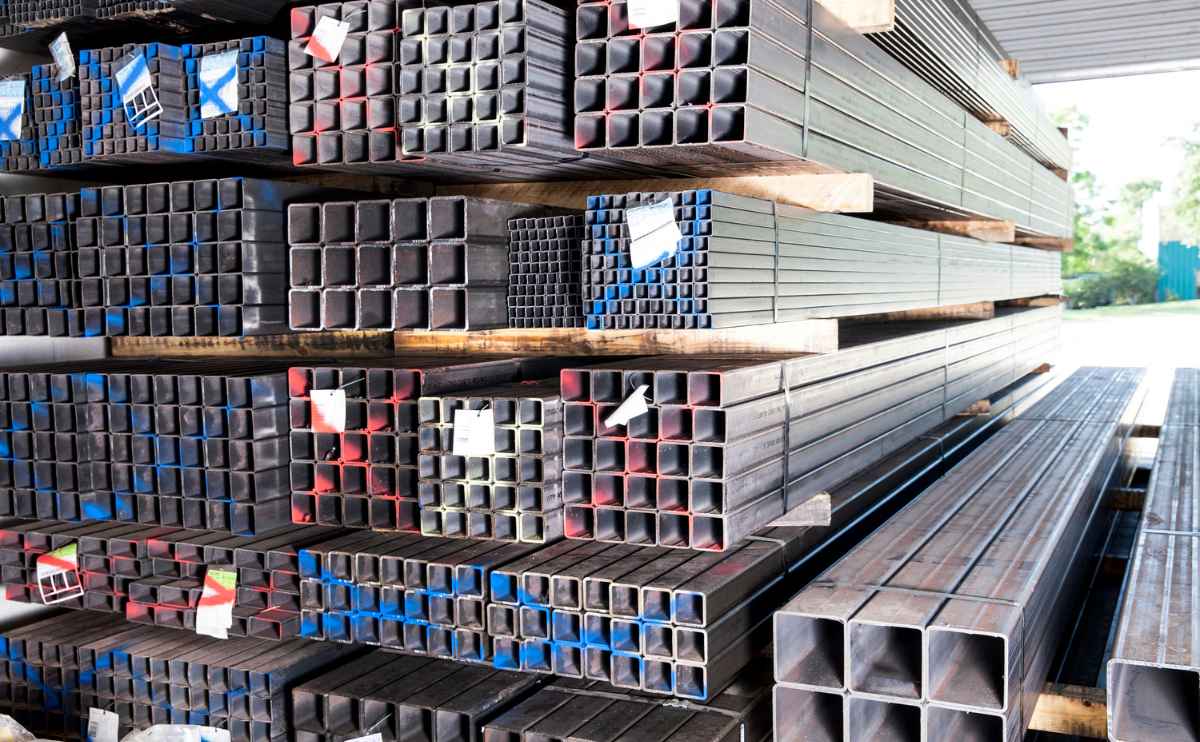
In the construction and manufacturing industries, delays in metal supply can lead to major setbacks, increased costs, and frustrated clients. ⏳ Fortunately, advancements in logistics and supply chain management are transforming how metals are sourced, transported, and delivered.
In this article, we’ll explore how technology-driven logistics are reducing delays, improving efficiency, and ensuring that metal suppliers and buyers stay ahead of demand. ⚡
✅ 1. The Challenges of Traditional Metal Supply Chains 🏗️
Before diving into modern solutions, let’s look at some common issues that have historically caused delays in metal supply:
🔴 Unpredictable Demand – Construction and industrial projects require metals at varying times, making forecasting difficult.
🔴 Transportation Bottlenecks – Delays in shipping, customs, and distribution slow down deliveries.
🔴 Supply Chain Disruptions – Global events, from raw material shortages to pandemics, affect production and logistics.
🔴 Inefficient Warehousing – Poor inventory management leads to stockouts or overstocking, increasing costs.
💡 Example: A construction firm in New York orders structural steel beams but experiences a 4-week delay due to poor inventory tracking and transportation congestion. This setback increases project costs and shifts deadlines.
Solution? Advanced logistics and smart supply chain strategies! 🚀
🚀 2. How Advanced Logistics Are Transforming Metal Supply Chains
📡 1. Real-Time Tracking & AI-Powered Forecasting
With IoT (Internet of Things) and AI-driven analytics, suppliers can:
✅ Track shipments in real time to provide accurate delivery estimates.
✅ Use AI demand forecasting to prevent stock shortages.
✅ Identify supply chain risks before they cause delays.
💡 Example: A steel supplier uses AI-powered forecasting to predict demand spikes in the construction industry, allowing them to pre-stock high-demand materials and avoid supply shortages.
🚛 2. Faster & More Flexible Transportation Networks
Today’s logistics networks are becoming faster and more adaptive, reducing delivery delays through:
✔ Multi-Hub Warehousing – Distributing metals closer to demand centers for faster delivery.
✔ Smart Route Optimization – AI helps logistics companies select the fastest, most cost-effective routes.
✔ Automated Freight Matching – Platforms match shipments with available trucks instantly, reducing wait times.
💡 Example: A construction firm in Texas receives its aluminum sheet order within 24 hours thanks to a regional warehouse and optimized trucking routes.
🏭 3. Just-in-Time (JIT) Metal Supply Strategy
The JIT (Just-in-Time) model ensures materials are delivered only when needed, reducing:
✅ Inventory holding costs.
✅ Waste due to overstocking.
✅ Storage space requirements.
💡 Example: A manufacturing plant using JIT logistics receives pre-cut stainless steel exactly when production begins, eliminating excess storage costs.
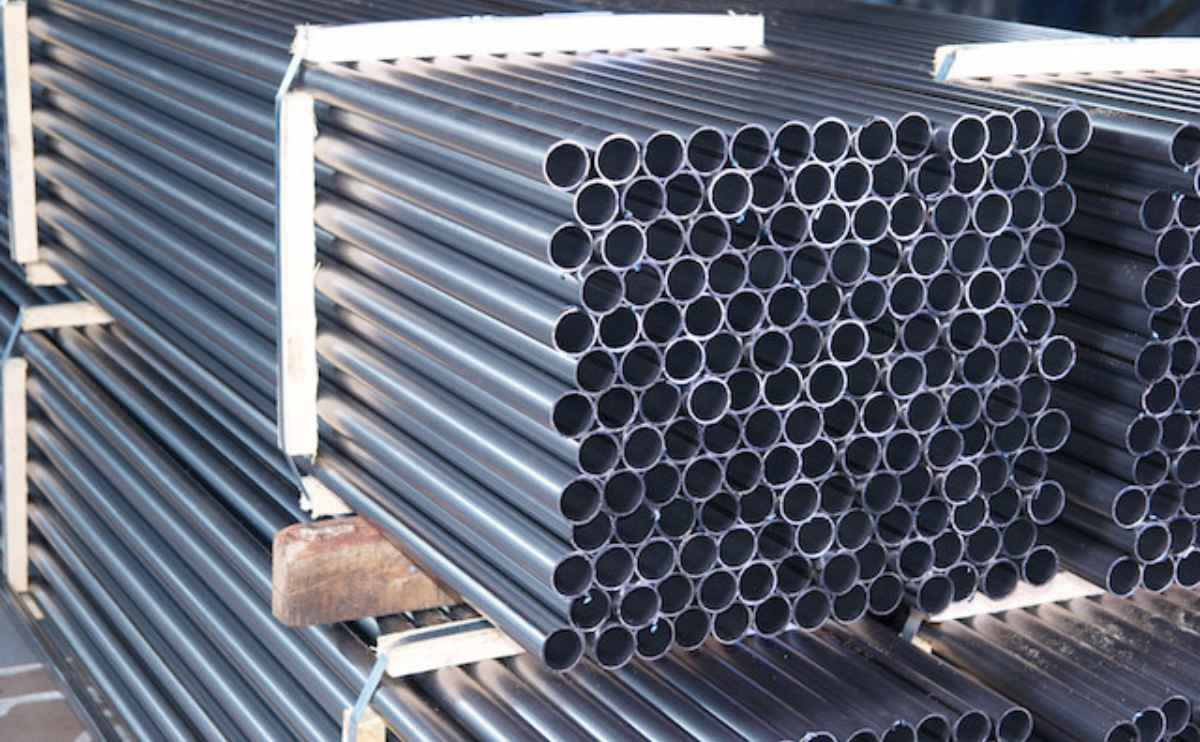
📦 4. Automated Warehousing & Robotics
Warehouses are getting smarter and faster with:
🤖 Automated Storage & Retrieval Systems (AS/RS) – Reduces human error and speeds up order processing.
📦 RFID & Barcode Scanning – Ensures real-time inventory tracking.
🚀 Robotic Fulfillment Centers – Speeds up metal picking and packing for shipping.
💡 Example: A robotic warehouse in Chicago processes 1,500 steel orders per hour, significantly reducing delivery times for customers.
🌎 3. The Future: Sustainable & Resilient Metal Supply Chains
With the rise of sustainability concerns and global market shifts, the future of metal logistics will focus on:
🌱 1. Eco-Friendly Transportation & Smart Warehousing
✅ Electric trucks & rail transport – Reduces carbon emissions.
✅ Energy-efficient warehouses – Uses AI to optimize energy consumption.
💡 Example: European steel suppliers are now using hydrogen-powered trucks to cut CO₂ emissions by 90% during transport.
📉 2. Blockchain for Transparent Metal Supply Chains
✅ Tamper-proof tracking – Ensures metal origins and quality verification.
✅ Faster payments & contracts – Smart contracts streamline transactions.
💡 Example: A construction company in Dubai verifies the authenticity of imported steel using blockchain-based tracking.
📌 Conclusion: The Future of Metal Supply Is Fast, Smart & Reliable
Advanced logistics are revolutionizing metal supply, helping companies reduce delays, lower costs, and improve efficiency.
📌 Key Takeaways:
✅ AI & real-time tracking prevent supply chain disruptions.
✅ Smart warehousing & JIT delivery optimize inventory management.
✅ Faster, eco-friendly transport ensures sustainability.
✅ Blockchain enhances transparency in sourcing & quality assurance.
🌟 Looking for a reliable metal supplier with cutting-edge logistics? At ABSDEPOT, we ensure fast, on-time deliveries with smart supply chain solutions. Partner with us for seamless metal supply! 🚛🔩